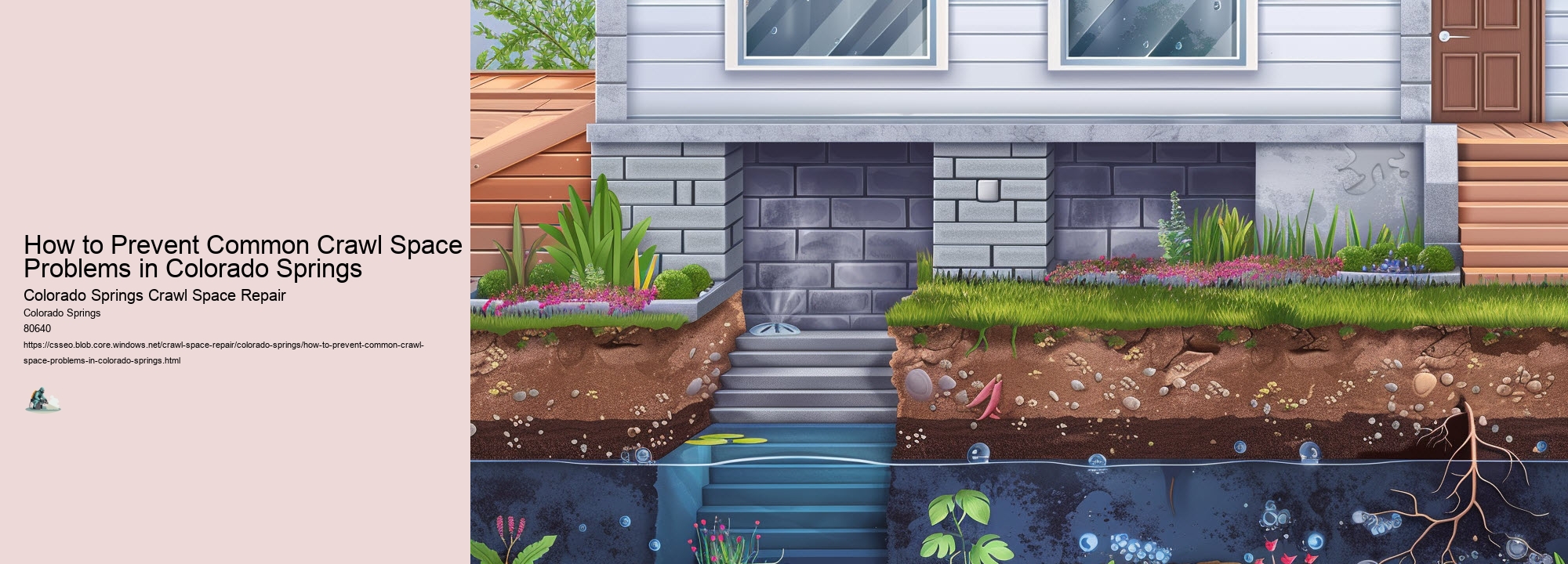
Ensuring the longevity of your crawl space in Colorado Springs requires attention to key factors like ventilation, moisture control, insulation, inspections, and pest management. By carefully maintaining these aspects, you can safeguard your crawl space against potential issues and preserve its structural integrity. But there's one vital element that often gets overlooked, a silent culprit that can wreak havoc if left unchecked. By addressing this hidden threat, you'll be better equipped to fortify your crawl space against unforeseen challenges and maintain its health for years to come.
Proper Ventilation
To maintain ideal air quality and prevent moisture buildup, ensuring proper ventilation in your crawl space is essential. Proper ventilation involves allowing fresh air to circulate throughout the crawl space, helping to reduce humidity levels and prevent musty odors.
One effective method is installing vents or fans to facilitate air movement. Vents should be strategically placed to create cross-ventilation, ensuring a continuous flow of air. It's important to take into account the size of the crawl space when determining the number and placement of vents to achieve excellent airflow.
Additionally, sealing any gaps or cracks in the crawl space walls and floors can help maintain proper ventilation by preventing outside air from seeping in uncontrollably. This step also aids in keeping pests and insects out of the crawl space.
Regularly inspecting the ventilation system and making necessary repairs or improvements is crucial for ensuring its effectiveness in maintaining good air quality and preventing moisture-related issues in your crawl space.
Moisture Control
Guaranteeing moisture control in your crawl space is essential for maintaining a healthy environment and preventing structural damage. Excess moisture can lead to mold growth, wood rot, and attract pests.
To secure proper moisture control, start by addressing any water leaks or drainage issues around the foundation of your home. Install a vapor barrier on the crawl space floor to prevent moisture from seeping through. This barrier acts as a protective layer between the ground and your home.
Additionally, consider using a dehumidifier to regulate humidity levels within the crawl space. Ideally, the humidity should be kept below 60% to discourage mold growth.
Regularly inspect the crawl space for any signs of water intrusion or dampness, and promptly address any issues that arise. By implementing these moisture control measures, you can create a dry and healthy environment in your crawl space, promoting the longevity of your home's foundation and overall structural integrity.
Insulation Maintenance
Proper maintenance of insulation in your crawl space is crucial for guaranteeing energy efficiency and preventing moisture-related issues. Insulation helps regulate the temperature in your home by reducing heat transfer through the floors.
Over time, insulation can become damaged or compressed, compromising its effectiveness. To maintain your crawl space insulation, start by checking for any signs of damage such as tears, gaps, or areas where it has settled. Repair or replace damaged insulation promptly to prevent energy loss and maintain a comfortable indoor environment.
Additionally, it's important to ensure that your insulation is properly installed and covers all exposed surfaces in the crawl space. Insulation should be securely attached and free of gaps to provide consistent thermal resistance.
Regularly inspect the insulation for any signs of moisture, as damp insulation can lead to mold growth and structural damage. By upholding your crawl space insulation, you can improve energy efficiency, reduce utility costs, and prevent potential moisture-related problems in your home.
Regular Inspections
Regular inspections of your crawl space play a vital role in identifying potential issues early and ensuring the long-term health and efficiency of your home. By conducting routine checks, you can proactively address problems before they escalate, saving you time and money in the long run.
Begin by examining the crawl space for any signs of moisture, such as water stains, mold growth, or a musty odor, as these could indicate leaks or poor ventilation. Inspect the insulation for any damage or displacement, which can compromise its effectiveness in regulating temperature. Check for cracks or gaps in the foundation walls and floors, as these can allow moisture and pests to enter the crawl space.
Additionally, inspect the support beams and joists for any signs of rot or pest damage, as these structural elements are essential for the stability of your home. Look for any signs of pest activity, such as droppings, gnaw marks, or nests, as early detection can prevent infestations.
Regular inspections allow you to address issues promptly, preserving the integrity of your crawl space and ensuring a healthy living environment.
Pest Prevention
Inspecting your crawl space regularly for potential pest issues is crucial in maintaining a healthy home environment and preventing structural damage. Pests like rodents, insects, and termites can wreak havoc on your crawl space if left unchecked.
Start by sealing off any entry points such as gaps around pipes, vents, or cracks in the foundation. These small openings can serve as gateways for pests to enter and make themselves at home.
Consider installing a vapor barrier to control moisture levels, as damp environments attract pests like ants and termites. Guarantee proper ventilation to keep the area dry and less appealing to insects.
Regularly remove any debris or organic matter that may accumulate in your crawl space, as these can attract pests seeking food and shelter.
Additionally, consider hiring a professional pest control service to conduct regular inspections and treatments. They can identify potential pest issues early on and implement effective solutions to prevent infestations.
Frequently Asked Questions
How Can I Improve Air Quality in My Crawl Space?
To enhance air quality in your crawl space, start by addressing moisture issues. Install a vapor barrier to prevent moisture from seeping through the ground.
Properly insulate the space to regulate temperature and humidity levels. Guarantee good ventilation by installing vents or a dehumidifier.
Regularly check for leaks or water damage. Maintaining a dry and well-ventilated crawl space will help prevent mold growth and improve air quality in your home.
What Are the Best Ways to Prevent Mold Growth?
To prevent mold growth in your crawl space, guarantee proper ventilation by installing vents or a dehumidifier. Seal any cracks or leaks to prevent excess moisture from entering.
Use a vapor barrier on the ground to block moisture. Regularly inspect for leaks and address them promptly.
Keep the area clean and clutter-free to prevent mold from finding a place to thrive. Maintain a dry environment to discourage mold growth.
Can I Use DIY Methods for Insulation Repairs?
Yes, you can utilize DIY methods for insulation repairs in your crawl space. Start by identifying any damaged insulation.
Then remove and replace it with new materials. Make sure the area is clean and dry before installing the new insulation.
Use proper safety equipment such as gloves and a mask. Pay attention to gaps or areas where pests can enter and seal them effectively.
Regularly check for any signs of wear and tear to maintain peak insulation.
How Often Should I Check for Structural Damage?
You should regularly inspect your crawl space for structural damage. Checking every six months is a good practice to catch any issues early.
Look for signs like sagging floors, cracks in the foundation, or moisture damage. Addressing these problems promptly can prevent more extensive damage and costly repairs in the future.
Stay vigilant and proactive in maintaining the structural integrity of your crawl space for long-lasting health.
What Are the Signs of a Rodent Infestation?
If you suspect a rodent infestation in your crawl space, watch out for signs like: - Droppings - Gnaw marks on wood or wires - Nests made of shredded materials - A musty odor
Rodents can also leave greasy smudges along walls and baseboards as they travel. Keep an eye out for these indicators and take prompt action to address the issue to prevent further damage and health risks in your crawl space.
Conclusion
To guarantee long-lasting crawl space health in Colorado Springs, homeowners can maintain a well-kept and durable environment by following these tips.
Proper ventilation, moisture control, insulation maintenance, regular inspections, and pest prevention are crucial factors to keep in mind.
By staying proactive and addressing any issues promptly, homeowners can prevent potential problems and protect the overall integrity of their crawl space.
Remember, a healthy crawl space is key to a healthy home.
The Ultimate Guide to Crawl Space Repair in Colorado Springs
The Anatomy of a Colorado Springs Crawl Space Repair Project